The KSMS Selection Interview: What to Expect and How to Prepare
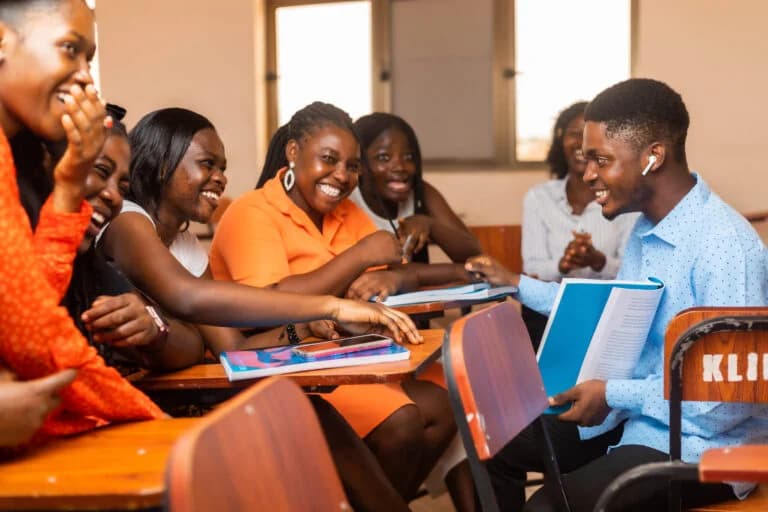
Grades open the door to medicine; the interview decides who walks through it. At the Klintaps School of Medical Sciences, every shortlisted MBChB applicant attends a selection interview — not as a formality, but because six years of medical training and a lifetime of patient care demand more than examination results. Here is how to approach it.
Why medical schools interview
A medical school is choosing future colleagues, not just students. The interview looks for three things no results slip can show: motivation deep enough to survive the hard years, the beginnings of ethical maturity, and the ability to communicate with clarity and warmth — the skill doctors use more than any other.
What to prepare (honestly)
Know your own story. The most common failure in medical interviews is a rehearsed answer to 'why medicine?' that belongs to someone else. Panels have heard 'I want to help people' a thousand times; they remember the applicant who can name the moment the ambition became theirs, and who has thought honestly about what the profession costs.
Understand the commitment. Be ready to talk about what six years of study — and housemanship after it — actually involves. Applicants who have read about the programme they are applying to (the curriculum structure, the community placements, the clinical years) signal seriousness without saying a word about it.
Think about ethics before you are asked. You will not be expected to resolve medical dilemmas — you may be asked how you think about honesty, about mistakes, about telling someone hard news. There are no trick answers; there is only evidence that you think about other people.
Practical matters
Applications for the September 2026 founding cohort are open — complete yours before September 30 to be considered for the Early Bird Award.
Apply for the MBChBInterviews are arranged after shortlisting, with details communicated directly by the admissions office. Dress neatly, arrive early, and bring your documents. International and out-of-region applicants can discuss remote arrangements with admissions.
The mindset that works
The interview is a conversation, not an interrogation. The panel wants to admit you — help them by being the version of yourself that decided on medicine in the first place. Speak plainly, admit what you do not know, and let your reasons be your own.
Frequently Asked Questions
Does everyone applying to the KSMS MBChB get interviewed?
Every applicant to the MBChB attends a selection interview before an offer is made; interviews are arranged for shortlisted applicants after application review.
What is the KSMS selection interview looking for?
Genuine motivation for medicine, ethical maturity, and communication skills — the qualities six years of training and a medical career demand beyond grades.
Can the interview be done remotely?
International and out-of-region applicants can discuss remote interview arrangements directly with the admissions office at +233 55 773 0089.
Stay Updated
Subscribe to our newsletter to receive the latest news and updates from Klintaps University College.