How to Become a Medical Doctor in Ghana: The Complete Path from SHS to Licensure
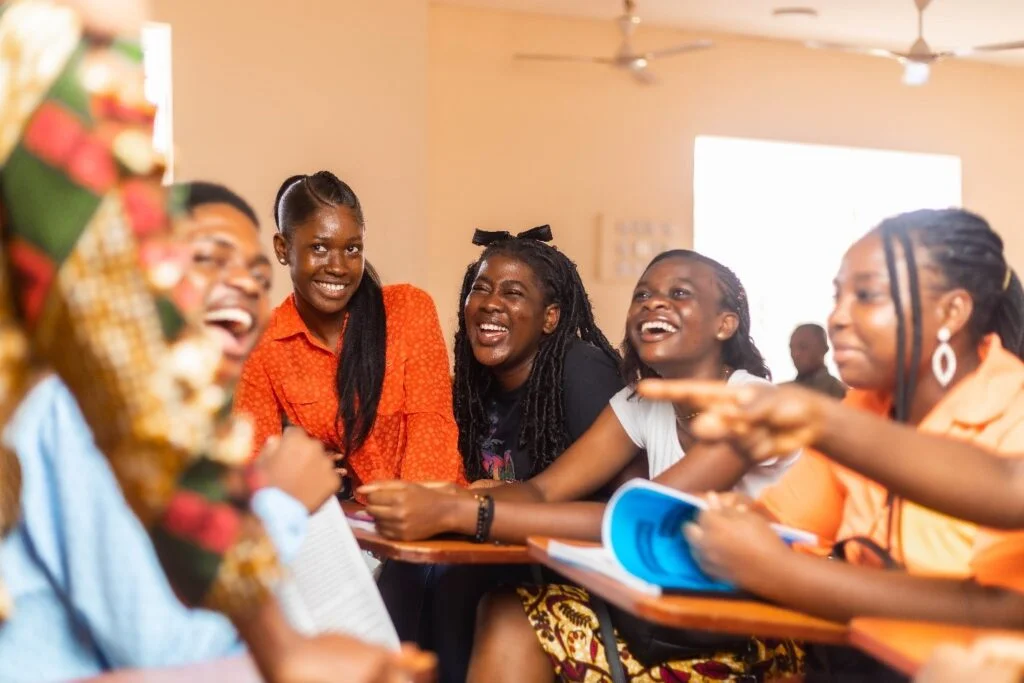
Every year, thousands of Ghanaian students say the same sentence: I want to be a doctor. Far fewer are told what the road actually looks like — how long it takes, what it costs, and where the decisive moments are. Here is the honest map, from SHS to licensure.
It starts at SHS, not at university
The door to medicine opens (or quietly closes) when SHS programmes are chosen. General Science with Chemistry, Biology and Physics or Elective Mathematics is the standard route — those electives are what medical schools examine. A brilliant WASSCE in General Arts cannot be converted into a medicine application.
The WASSCE hurdle — and the honest truth about competition
Medical schools require the three core subjects at C4 or better plus three science electives, and then the real filter begins: there are far fewer places than qualified applicants in Ghana, so selection is extremely competitive at every school, public or private. Strong candidates treat the minimum requirements as a floor, not a target.
Six years of MBChB
The MBChB is six years everywhere in Ghana. At the Klintaps School of Medical Sciences in Tema, the first three years build the medical sciences on an integrated, problem-based curriculum — with community placements (COBES) starting in the second year — and the final three years are clinical clerkships across partner hospitals, ending with a 36-week continuous clinical year and final professional examinations. The degree is awarded by the University of Cape Coast.
Housemanship: the first real doctor years
After the MBChB comes housemanship — two years of supervised, paid practice in an accredited hospital, rotating through medicine, surgery, obstetrics and paediatrics. Housemanship is where graduates become clinicians, and completing it is a requirement for full licensure.
Start the journey at the Klintaps School of Medical Sciences — first cohort September 2026, applications open.
Explore the MBChBLicensure and beyond
Full registration with the Medical and Dental Council of Ghana is the licence to practise. From there the paths open: general practice, public health, or postgraduate specialisation through the Ghana College of Physicians and Surgeons and the West African Colleges — a further four to six years to consultant level. All told, SHS to specialist is a 14-18 year journey; SHS to practising doctor is about eight.
What it costs
Public medical schools are subsidised but scarce; private schools charge closer to true cost. At KSMS, tuition is GHS 46,000 per semester for Ghanaians (USD 4,000 per semester international), with SLTF support, instalment plans, and — for the founding cohort — an Early Bird Award of up to 50% off tuition for admissions completed by September 30, 2026.
Nsɛmmisa & Mmuae wɔ Twi mu (FAQ in Twi)
Mfeɛ ahe na wɔde yɛ dɔkota wɔ Ghana? MBChB no yɛ mfeɛ nsia. Ɛno akyi no, wobɛyɛ housemanship mfeɛ mmienu ansa na Medical and Dental Council ama wo tumi krataa a wode bɛyɛ adwuma sɛ dɔkota. Ne nyinaa bɛyɛ mfeɛ nwɔtwe firi SHS akyi.
SHS mu nhoma bɛn na ɛsɛ sɛ mesua? Fa General Science — Chemistry, Biology, Physics anaa Elective Mathematics. Saa nhoma yi na suapɔn a wɔsua ayaresa hwehwɛ.
Ɛhe na mɛtumi asua ayaresa? Ghana wɔ suapɔn a ɛyɛ ɔman deɛ ne deɛ ɛyɛ ankorɛankorɛ deɛ. Klintaps School of Medical Sciences a ɛwɔ Tema no gye nnipa a wɔdi kan September 2026 mu.
Frequently Asked Questions
How many years does it take to become a medical doctor in Ghana?
About eight years after SHS: the 6-year MBChB plus 2 years of housemanship, after which you register fully with the Medical and Dental Council. Specialisation adds a further 4-6 years.
What is housemanship?
Two years of supervised, paid clinical practice in an accredited hospital after the MBChB — rotating through the major specialties. Completing it is required for full MDC licensure.
Which SHS programme leads to medicine?
General Science is the usual route. Medical schools look for three electives drawn from Physics, Chemistry, Biology and Elective Mathematics; no specific pair is compulsory, though a science-heavy combination is what most applicants present.
Stay Updated
Subscribe to our newsletter to receive the latest news and updates from Klintaps University College.